Career & Job Guidance
Build Skills That Employers Value
Professional operator training can be an important step toward better opportunities in warehousing, logistics, distribution, construction, plant operations, and site support roles. Employers are not only looking for someone who can move a machine. They want people who understand safety, follow instructions, work responsibly around others, and show the right attitude on site. The strongest candidates are usually those who combine recognised training with a calm, professional approach to everyday work.
Training Can Help You Move Forward with Confidence
For many learners, training is the starting point to enter a new line of work. For others, it is a way to refresh existing skills, add another machine category, or return to work with more confidence. In both cases, the real value of training is not just having proof on paper. It is knowing how to operate safely, communicate clearly, and perform reliably in real working conditions. That is what helps people feel job-ready and what helps employers trust them with responsibility.
Where These Skills Can Lead
Forklift, plant, access platform, and lifting equipment training can support opportunities across a wide range of sectors. Warehouses, builders’ merchants, logistics firms, manufacturing units, transport yards, construction sites, and infrastructure projects all rely on trained operators and safety-conscious workers. Some people begin with one machine category and later expand into additional training so they can apply for a broader range of roles and work environments.
What Employers Usually Look For
Most employers look beyond basic familiarity with equipment. They want operators who turn up on time, follow site procedures, carry out checks properly, protect pedestrians, and understand that safety is part of the job from start to finish. A good attitude, willingness to learn, and the ability to stay calm under pressure often matter just as much as previous experience. Employers also appreciate candidates who understand that different sites, loads, and working environments require different levels of care and awareness.
Why Multi-Skilled Operators Often Stand Out
Adding more than one type of training can make a candidate more useful to employers. A person who understands more than one machine category may be able to support a wider range of day-to-day tasks, adapt more easily to different workplaces, and progress more quickly when opportunities open up. This does not mean collecting qualifications for the sake of it. It means building a practical skill set that matches the kind of work you want to do and the industry you want to grow in.
A Strong Start for New Operators
If you are completely new to this type of work, the best approach is to focus on learning the fundamentals properly. Good habits formed early can stay with you throughout your working life. New operators should aim to build confidence step by step, ask questions when unsure, and take safe instruction seriously. Employers are often more willing to invest in someone who is trainable, careful, and professional than someone who is overconfident but inconsistent.
Advice for Experienced Operators
If you already have experience, refresher or additional category training can still be valuable. Workplaces change, equipment changes, and safety expectations continue to develop. Experienced operators often use further training to update their knowledge, improve technique, prepare for a different role, or strengthen their profile when applying for new opportunities. In many cases, the difference between staying in the same position and moving forward is showing that your skills are current, relevant, and backed by proper training.
Be Ready for More Than the Course
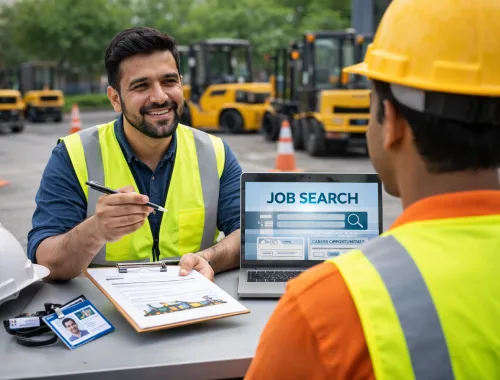
Training helps open the door, but employers also notice how you present yourself. Being prepared for interviews, understanding the basics of the role you are applying for, speaking honestly about your experience, and showing a serious attitude toward safety can all make a difference. Candidates who can explain their training clearly, talk confidently about safe working practices, and demonstrate a willingness to keep learning often leave a stronger impression.
Confidence Comes from Competence
A lot of people feel nervous before starting a new machine category or moving into a more technical role. That is normal. Real confidence does not come from rushing through training or trying to look experienced. It comes from understanding the equipment, practising properly, and knowing how to respond safely in real situations. When confidence is built on competence, operators are more likely to work well, make better decisions, and earn trust from supervisors and employers.
Think Long Term About Your Career
The most successful operators often treat training as part of a longer journey rather than a one-time event. They build experience carefully, maintain good standards, refresh their skills when needed, and stay open to opportunities that match their strengths. Over time, this can lead to wider responsibilities, more varied work, and stronger career stability. A professional approach to training today can support better choices and better opportunities tomorrow.
Support Beyond the Training Day
At Power Forklift Training Ltd, training is approached as practical preparation for real working life. The goal is to help learners build genuine ability, stronger confidence, and a clearer understanding of what employers expect. Whether you are taking your first step into operator work or looking to strengthen an existing career path, the right training can help you move forward with greater skill, professionalism, and purpose.